MAKES
-
 Abarth
-
 Acura
Acura
-
 Alfa Romeo
-
 Aston Martin
-
 Audi
Audi
-
 Bentley
-
 BMW
BMW
-
 Bugatti
-
 Buick
Buick
-
 BYD
BYD
-
 Cadillac
-
 Chery
Chery
-
 Chevrolet
-
 Chrysler
-
 Citroen
-
 Cupra
Cupra
-
 Dacia
Dacia
-
 Daewoo
-
 DAF
DAF
-
 Daihatsu
-
 Datsun
-
 De Lorean
-
 DFSK
DFSK
-
 Dodge
Dodge
-
 DS
DS
-
 Ferrari
-
 Fiat
Fiat
-
 Fisker
-
 Ford
Ford
-
 GAZ
GAZ
-
 Geely
Geely
-
 Genesis
-
 GMC
GMC
-
 Great Wall
-
 Hennessey
-
 Honda
Honda
-
 Hummer
-
 Hyundai
-
 Infiniti
-
 Isuzu
Isuzu
-
 Iveco
Iveco
-
 Jaguar
-
 Jeep
Jeep
-
 Kia
Kia
-
 Koenigsegg
-
 Lada
Lada
-
 Lamborghini
-
 Lancia
-
 Land Rover
-
 Lexus
Lexus
-
 Lincoln
-
 Lotus
Lotus
-
Lucid
-
 Mahindra
-
 Maserati
-
 Mazda
Mazda
-
 McLaren
-
 Mercedes
-
 MG
MG
-
 Mini
Mini
-
 Mitsubishi
-
Morgan
-
 NIO
NIO
-
 Nissan
-
 Opel
Opel
-
 Pagani
-
 Peugeot
-
 Polestar
-
 Pontiac
-
 Porsche
-
 RAM
RAM
-
 Renault
-
 Rimac
Rimac
-
 Rivian
-
 Rolls-Royce
-
 Rover
Rover
-
 Saab
Saab
-
 Scion
Scion
-
 Seat
Seat
-
 Skoda
Skoda
-
 Smart
Smart
-
Sony
-
 SsangYong
-
 Subaru
-
 Suzuki
-
 Tata
Tata
-
 Tesla
Tesla
-
 Tofas
Tofas
-
 Toyota
- › 4runner
- › 86
- › Allex
- › Allion
- › Alphard
- › Altezza
- › Aqua
- › Aristo
- › Aurion
- › Auris
- › Avalon
- › Avanza
- › Avensis
- › Avensis Verso
- › Aygo
- › Aygo X
- › bB
- › Belta
- › Blade
- › Brevis
- › bZ4X
- › C+pod
- › C-HR
- › Caldina
- › Calya
- › Cami
- › Camry
- › Carib
- › Carina
- › Cavalier
- › Celica
- › Celsior
- › Century
- › Chaser
- › Corolla
- › Corolla Cross
- › Corolla Rumion
- › Corolla Spacio
- › Corolla Verso
- › Corona
- › Cresta
- › Crown
- › Crown Majesta
- › Duet
- › Echo
- › Estima
- › Etios
- › FJ Cruiser
- › Fortuner
- › Frontlander
- › Funcargo
- › Gaia
- › Glanza
- › Grand Hiace
- › Granvia
- › Harrier
- › Hiace
- › Highlander
- › Hilux
- › Innova
- › Ipsum
- › iQ
- › ISis
- › Ist
- › Izoa
- › Kluger
- › Land Cruiser
- › Land Cruiser Prado
- › Levin
- › Mark II
- › Mark X
- › Matrix
- › Mega Cruiser
- › Mirai
- › MR 2
- › MR-S
- › Nadia
- › Noah
- › Opa
- › Origin
- › Paseo
- › Passo
- › Picnic
- › Platz
- › Porte
- › Premio
- › Previa
- › Prius
- › Proace
- › Proace City
- › Probox
- › Progres
- › Pronard
- › Ractis
- › Raize
- › Raum
- › RAV4
- › Regius
- › Rush
- › Sequoia
- › Sienna
- › Sienta
- › Soarer
- › Sparky
- › Sprinter
- › Succeed
- › Supra
- › Tacoma
- › Town Ace
- › Tundra
- › Urban Cruiser
- › Urban Cruiser Hyryder
- › Vanguard
- › Venza
- › Verossa
- › Verso
- › Verso-S
- › Vios
- › Vista
- › Vitz
- › Voltz
- › Voxy
- › Wigo
- › Wildlander
- › Will
- › Windom
- › Wish
- › Yaris
- › Yaris Cross
-
 Vauxhall
-
 Volkswagen
-
 Volvo
Volvo
-
 XPENG
XPENG
-
 Zenvo
Zenvo

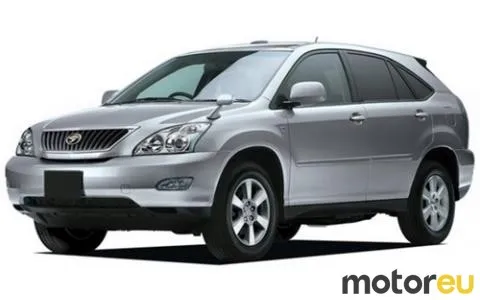
Toyota > Harrier II 3.0 V6 24V (220 Hp) WLTP, MPG, Fuel consumption
 Year 2003- 2004- 2005
 Engine 2994 cm3
 Power 220 hp
 Torque 304 Nm
 Gearbox Automatical
 Fuel Type Petrol (Gasoline)
 Fuel Tank 72 Liter (19 gal)
|
Combined |
10,9 lt/100km 26 MPG (UK) - 22 MPG (US) |
|
Estimated Real Consumption |
18 lt/100km 16 MPG (UK) - 13 MPG (US) |
|
Cost to fill up the tank |
106,42 £ 123,91 € |
|
Fuel Price |
|
Toyota Harrier II 3.0 V6 24V (220 Hp)
Technical Specs
- Number of clynders 6
- Number of valves 4x6
- Power 220 hp
- Max output (P) 5800 rpm
- Torque 304 Nm
- Max output (T) 4400
- Wheel drive Front wheel drive
- Number of doors 5
- Number of seats 5
- Tire size front 225/65 R17
- Tire size rear 225/65 R17
Toyota Harrier II 3.0 V6 24V (220 Hp)
Dimensions and Weight
- Body type SUV, Crossover
- Length 4730 mm
- Width 1845 mm
- Height 1680 mm
- Wheelbase 2715 mm
- Turning Circle -
- Trunk Volume 440 liter
- Weight (Empty) 1830 kg
- Total load weight -
- Loading capacity -
- Roof load -
Toyota Harrier II 3.0 V6 24V Review
2005 Toyota Harrier II 3.0’s production started in 2003 and continued in 2003, 2004 and 2005. Harrier 3.0 V6 24V is a 5 doors SUV, Crossover in All wheel drive (4x4). Automobile weight is 1830 kg with 440 liters trunk loading capacity. Harrier II 3.0 V6 24V has a 3.0 l engine. With 2994 cc engine size it produces 220 Hp horsepower and 304 Nm torque. The power is transmitted by a speed gearbox with Front wheel drive wheel drive. Vehicle can accelerate from zero to 100 km/h (60 mph) in seconds. Top speed is limited by km/h (0 mph). The engine has a standard. Fuel tank capacity is 72 liters. Consumption in city is 0,0 lt/100km, consumption in highway is 0,0 lt/100km and combined fuel consumption is 10,9 lt/100km according to official factory data. Estimated Harrier II 3.0 V6 24V real World MPG/consumption is 17,5 lt/100km. It is expected to consume 61 percent more fuel than factory data in real conditions and during test drives.
Comments
Be the first to comment...