AUTO HERSTELLERN
-
 Abarth
-
 Acura
Acura
-
 Alfa Romeo
-
 Aston Martin
-
 Audi
Audi
-
 Bentley
-
 BMW
BMW
-
 Bugatti
-
 Buick
Buick
-
 BYD
BYD
-
 Cadillac
-
 Chery
Chery
-
 Chevrolet
-
 Chrysler
-
 Citroen
-
 Cupra
Cupra
-
 Dacia
Dacia
-
 Daewoo
-
 DAF
DAF
-
 Daihatsu
-
 Datsun
-
 De Lorean
-
 DFSK
DFSK
-
 Dodge
Dodge
-
 DS
DS
-
 Ferrari
-
 Fiat
Fiat
-
 Fisker
-
 Ford
Ford
-
 GAZ
GAZ
-
 Geely
Geely
-
 Genesis
-
 GMC
GMC
-
 Great Wall
-
 Hennessey
-
 Honda
Honda
-
 Hummer
-
 Hyundai
-
 Infiniti
-
 Isuzu
Isuzu
-
 Iveco
Iveco
-
 Jaguar
-
 Jeep
Jeep
-
 Kia
Kia
-
 Koenigsegg
-
 Lada
Lada
-
 Lamborghini
-
 Lancia
-
 Land Rover
-
 Lexus
Lexus
-
 Lincoln
-
 Lotus
Lotus
-
Lucid
-
 Mahindra
-
 Maserati
-
 Mazda
Mazda
-
 McLaren
-
 Mercedes
-
 MG
MG
-
 Mini
Mini
-
 Mitsubishi
-
Morgan
-
 NIO
NIO
-
 Nissan
-
 Opel
Opel
-
 Pagani
-
 Peugeot
-
 Polestar
-
 Pontiac
-
 Porsche
-
 RAM
RAM
-
 Renault
-
 Rimac
Rimac
-
 Rivian
-
 Rolls-Royce
-
 Rover
Rover
-
 Saab
Saab
-
 Scion
Scion
-
 Seat
Seat
-
 Skoda
Skoda
-
 Smart
Smart
-
Sony
-
 SsangYong
-
 Subaru
-
 Suzuki
-
 Tata
Tata
-
 Tesla
Tesla
-
 Tofas
Tofas
-
 Toyota
-
 Vauxhall
-
 Volkswagen
-
 Volvo
Volvo
-
 XPENG
XPENG
-
 Zenvo
Zenvo

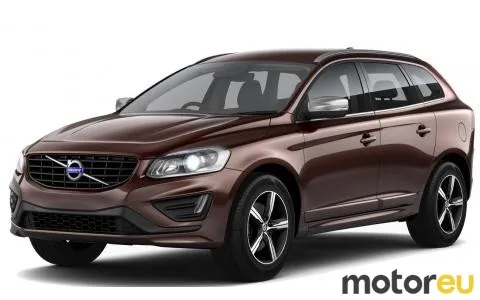
Volvo > XC60 I 2.0 T6 (306 Hp) Technische Daten
 Jahr 2014- 2015- 2016- 2017
 Hubraum 1969 cm3
 Motorleistung 306 hp
 Drehmoment 400 Nm
 Gearbox Automatical
 Kraftstoffart Benzin (Gasoline)
 Fuel Tank 70 Liter
|
Kombiniert |
7,3 lt/100km |
|
CO2 Emissionen |
169,0 g/100km |
|
Geschätzter tatsächlicher Kraftstoffverbrauch |
12 lt/100km |
|
Kosten für das Auffüllen des Kraftstofftanks |
130,06 € |
|
Benzinpreis |
|
Volvo XC60 I 2.0 T6 (306 Hp)
Technische Daten
- Anzahl Zylinder 4
- Anzahl Ventile 4x4
- Motorleistung 306 hp
- Max. Leistung (P) 5700 rpm
- Drehmoment 400 Nm
- 2100
- Antriebsart Rear wheel drive
- Türen 5
- Sitzanzahl 5
- Reifengröße vorne -
- Reifengröße hinten -
Volvo XC60 I 2.0 T6 (306 Hp)
Abmessungen und Gewicht
- Karosserie SUV, Crossover
- Länge 4644 mm
- Breite 1891 mm
- Höhe 1713 mm
- Radstand 2774 mm
- Wendekreis 12.1 m
- Kofferraumvolumen 490 liter
- Leergewicht (EU) 1816 kg
- Zul. Gesamtgewicht 2390 kg
- Zuladung 570 kg
- Dachlast 100 kg
Volvo XC60 I 2.0 T6 Überblick
2017 Volvo XC60 I 2.0’s production started in 2014 and continued in 2014, 2015, 2016 and 2017. XC60 2.0 T6 is a 5 doors SUV, Crossover in Front wheel drive. Automobile weight is 1816 kg with 490 liters trunk loading capacity. XC60 I 2.0 T6 has a 2.0 l engine. With 1969 cc engine size it produces 306 Hp horsepower and 400 Nm torque. The power is transmitted by a speed gearbox with Allradantrieb wheel drive. Vehicle can accelerate from zero to 100 km/h (60 mph) in 6.9 seconds. Top speed is limited by 210 km/h (130 mph). The engine has a Euro 6 standard. Fuel tank capacity is 70 liters. Consumption in city is 0,0 lt/100km, consumption in highway is 0,0 lt/100km and combined fuel consumption is 7,3 lt/100km according to official factory data. Estimated XC60 I 2.0 T6 real World MPG/consumption is 11,9 lt/100km. It is expected to consume 63 percent more fuel than factory data in real conditions and during test drives.
Kommentare
Sei der erste der kommentiert...