Fuel Efficient Cars Fuel Efficient Cars

Factory fuel consumption and Real fuel consumption

Model Fuel Consumption
Kia Clarus 2.0i 16V (133 Hp)
1998-2001 Petrol (Gasoline) Automatical 11,10 lt/100km
(25 MPG)
15,16 lt/100km
(19 MPG)
 Fuel Consumption
11,10 lt/100km
(25 MPG)
15,16 lt/100km
(19 MPG)
Nissan Serena 2.0 16V (140 Hp)
1993-2000 Petrol (Gasoline) Automatical 11,10 lt/100km
(25 MPG)
15,59 lt/100km
(18 MPG)
 Fuel Consumption
11,10 lt/100km
(25 MPG)
15,59 lt/100km
(18 MPG)
Jaguar XJ 5.0 V8 (510 Hp)
2015-2018 Petrol (Gasoline) Automatical 11,10 lt/100km
(25 MPG)
17,73 lt/100km
(16 MPG)
 Fuel Consumption
11,10 lt/100km
(25 MPG)
17,73 lt/100km
(16 MPG)
Jaguar XJ Long 5.0 V8 (510 Hp)
2015-2018 Petrol (Gasoline) Automatical 11,10 lt/100km
(25 MPG)
17,73 lt/100km
(16 MPG)
 Fuel Consumption
11,10 lt/100km
(25 MPG)
17,73 lt/100km
(16 MPG)
Jaguar XJ Long R 5.0 V8 (550 Hp)
2015-2017 Petrol (Gasoline) Automatical 11,10 lt/100km
(25 MPG)
17,73 lt/100km
(16 MPG)
 Fuel Consumption
11,10 lt/100km
(25 MPG)
17,73 lt/100km
(16 MPG)
Jaguar XJ 5.0 V8 (470 Hp)
2015-2018 Petrol (Gasoline) Automatical 11,10 lt/100km
(25 MPG)
17,73 lt/100km
(16 MPG)
 Fuel Consumption
11,10 lt/100km
(25 MPG)
17,73 lt/100km
(16 MPG)
Jaguar XJ Long 5.0 V8 (470 Hp)
2015-2018 Petrol (Gasoline) Automatical 11,10 lt/100km
(25 MPG)
17,73 lt/100km
(16 MPG)
 Fuel Consumption
11,10 lt/100km
(25 MPG)
17,73 lt/100km
(16 MPG)
Jaguar XJ R 5.0 V8 (575 Hp)
2017-2018 Petrol (Gasoline) Automatical 11,10 lt/100km
(25 MPG)
17,73 lt/100km
(16 MPG)
 Fuel Consumption
11,10 lt/100km
(25 MPG)
17,73 lt/100km
(16 MPG)
Jaguar XJ Long R 5.0 V8 (575 Hp)
2017-2018 Petrol (Gasoline) Automatical 11,10 lt/100km
(25 MPG)
17,73 lt/100km
(16 MPG)
 Fuel Consumption
11,10 lt/100km
(25 MPG)
17,73 lt/100km
(16 MPG)
Genesis G70 Sport 3.3 T-GDi V6 (370 Hp)
2017-2020 Petrol (Gasoline) Automatical 11,10 lt/100km
(25 MPG)
17,73 lt/100km
(16 MPG)
 Fuel Consumption
11,10 lt/100km
(25 MPG)
17,73 lt/100km
(16 MPG)
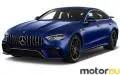
Mercedes-Benz AMG GT 4-Door Coupe 63 V8 (585 Hp)
2018-2023 Petrol (Gasoline) Automatical 11,10 lt/100km
(25 MPG)
17,24 lt/100km
(16 MPG)
 Fuel Consumption
11,10 lt/100km
(25 MPG)
17,24 lt/100km
(16 MPG)
Kia Grand Carnival III 3.3 V6 (270 Hp)
2014-2018 Petrol (Gasoline) Automatical 11,10 lt/100km
(25 MPG)
17,25 lt/100km
(16 MPG)
 Fuel Consumption
11,10 lt/100km
(25 MPG)
17,25 lt/100km
(16 MPG)
Toyota Harrier I 3.0 V6 24V (220 Hp)
2000-2002 Petrol (Gasoline) Automatical 11,10 lt/100km
(25 MPG)
16,05 lt/100km
(18 MPG)
 Fuel Consumption
11,10 lt/100km
(25 MPG)
16,05 lt/100km
(18 MPG)
SsangYong Musso II 2.0 e-XGDi (224 Hp)
2018-2023 Petrol (Gasoline) Automatical 11,10 lt/100km
(25 MPG)
15,73 lt/100km
(18 MPG)
 Fuel Consumption
11,10 lt/100km
(25 MPG)
15,73 lt/100km
(18 MPG)
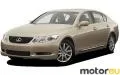
Lexus GS II 300 (220 Hp)
2000-2005 Petrol (Gasoline) Automatical 11,10 lt/100km
(25 MPG)
16,81 lt/100km
(17 MPG)
 Fuel Consumption
11,10 lt/100km
(25 MPG)
16,81 lt/100km
(17 MPG)
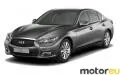
Infiniti Q50 3.0t V6 (400 Hp)
2018-2023 Petrol (Gasoline) Automatical 11,10 lt/100km
(25 MPG)
15,39 lt/100km
(18 MPG)
 Fuel Consumption
11,10 lt/100km
(25 MPG)
15,39 lt/100km
(18 MPG)
Mercedes-Benz S-class Long S 500 V8 (388 Hp)
2009-2011 Petrol (Gasoline) Automatical 11,10 lt/100km
(25 MPG)
17,73 lt/100km
(16 MPG)
 Fuel Consumption
11,10 lt/100km
(25 MPG)
17,73 lt/100km
(16 MPG)
Mercedes-Benz S-class Long S 350 V6 (245 Hp)
2002-2005 Petrol (Gasoline) Automatical 11,10 lt/100km
(25 MPG)
17,29 lt/100km
(16 MPG)
 Fuel Consumption
11,10 lt/100km
(25 MPG)
17,29 lt/100km
(16 MPG)
Mercedes-Benz R-class Long R 300 V6 (231 Hp)
2009-2010 Petrol (Gasoline) Automatical 11,10 lt/100km
(25 MPG)
16,80 lt/100km
(17 MPG)
 Fuel Consumption
11,10 lt/100km
(25 MPG)
16,80 lt/100km
(17 MPG)
Mercedes-Benz R-class Long R 350 V6 (272 Hp)
2007-2010 Petrol (Gasoline) Automatical 11,10 lt/100km
(25 MPG)
18,41 lt/100km
(15 MPG)
 Fuel Consumption
11,10 lt/100km
(25 MPG)
18,41 lt/100km
(15 MPG)
Kia K9 II 3.8 GDI V6 (315 Hp)
2018-2021 Petrol (Gasoline) Automatical 11,10 lt/100km
(25 MPG)
17,73 lt/100km
(16 MPG)
 Fuel Consumption
11,10 lt/100km
(25 MPG)
17,73 lt/100km
(16 MPG)
Ford Falcon 4.0 DI-VCT (265 Hp)
2014-2016 Petrol (Gasoline) Manual 11,10 lt/100km
(25 MPG)
16,43 lt/100km
(17 MPG)
 Fuel Consumption
11,10 lt/100km
(25 MPG)
16,43 lt/100km
(17 MPG)
Alfa Romeo 159 Sportwagon 3.2 JTS V6 (260 Hp)
2008-2009 Petrol (Gasoline) Manual 11,10 lt/100km
(25 MPG)
17,42 lt/100km
(16 MPG)
 Fuel Consumption
11,10 lt/100km
(25 MPG)
17,42 lt/100km
(16 MPG)
Genesis GV80 2.5 T-GDi (304 Hp)
2020-2023 Petrol (Gasoline) Automatical 11,10 lt/100km
(25 MPG)
16,60 lt/100km
(17 MPG)
 Fuel Consumption
11,10 lt/100km
(25 MPG)
16,60 lt/100km
(17 MPG)

While fuel prices keep increasing, we are here to help you. Here is the list of fuel efficient cars of 2020. The list of fuel efficient cars can be viewed in two sections. On the left bar you are going to see petrol efficient cars and on the left diesel efficient cars are listed. While browsing best mpg cars, it is easy to see that mostly “small-B class” ones are the best mileage cars.

Best fuel consumption depends on car’s efficiency of course. “Fuel consume” means emissions, and “best mpg cars” means low emission cars. According to our list these are the winners:

Most economical petrol car is 2020 Fiat 500

Most economical deisel car is 2020 Peugeot 208

Both cars are equipped by Start & Stop technology. Most economical petrol car has small petrol engine such as 900cc. On the other hand most economical diesel car has 1.6 lt diesel engine. Weight and dimensions of the cars are quite similar.

If you are trying to find out what car brand is the best for fuel efficiency, we suggest you to look up for European, Korean and Japanese manufacturers. Cars from Europe such as Citroen c3, Volkswagen Polo, Peugeot 308, Ford Fiesta, Vauxhall Corsa, Renault Clio and Volvo V40. For sure there are some Premium options are possible such as, Mercedes A180 or CLA, BMW 116d or 118d, Audi A1 or A3.

For petrol engines, you should be looking for 1.0 TFSI, 1.2 TFSI and 1.4 TFSI, 1.5 Turbo and 1.6 CGI. And for diesel engines, we can suggest you to check 1.3 CDTI, 1.4 dCI, 1.6 TDI, 1.6 HDI, 1.6 TDCI engines. Efficent engines are mostly named as BlueHDI, Bluemotion, BMT, Eco, Ecomotive, Green Tec, Ecoflex, Efficientdynamics, BlueEfficiency.


«