Best Acceleration Best Acceleration

Model 0-100 acceleration
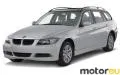
BMW 3 Series Touring 325d (197 Hp)
2006-2008 Diesel Manual 7,60 sec
 Emissions
7,60 sec
Mercedes-Benz R-class R 350 CDI V6 (265 Hp)
2010-2014 Diesel Automatical 7,60 sec
 Emissions
7,60 sec
Mercedes-Benz R-class Long R 350 CDI V6 (265 Hp)
2010-2014 Diesel Automatical 7,60 sec
 Emissions
7,60 sec
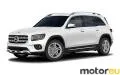
Mercedes-Benz GLB GLB 220d (190 Hp)
2019-2023 Diesel Automatical 7,60 sec
 Emissions
7,60 sec
Audi A4 Avant 40 TDI (190 Hp)
2019-2020 Diesel Automatical 7,60 sec
 Emissions
7,60 sec
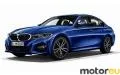
BMW 3 Series Sedan 320i (184 Hp)
2019-2022 Petrol (Gasoline) Automatical 7,60 sec
 Emissions
7,60 sec
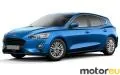
Ford Focus IV Hatchback ST 2.0 EcoBlue (190 Hp)
2019-2021 Diesel Manual 7,60 sec
 Emissions
7,60 sec
Audi A5 Sportback 40 TDI (190 Hp)
2019-2020 Diesel Automatical 7,60 sec
 Emissions
7,60 sec
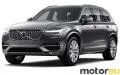
Volvo XC90 II 2.0 B5 (235 Hp)
2019-2023 Diesel Automatical 7,60 sec
 Emissions
7,60 sec
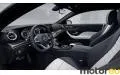
Mercedes-Benz E-class Coupe E 200 (197 Hp)
2019-2020 Petrol (Gasoline) Automatical 7,60 sec
 Emissions
7,60 sec
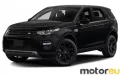
Land Rover Discovery Sport 2.0 SD4 (240 Hp)
2017-2019 Diesel Automatical 7,60 sec
 Emissions
7,60 sec
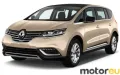
Renault Espace V 1.8 Energy TCe (225 Hp)
2017-2018 Petrol (Gasoline) Automatical 7,60 sec
 Emissions
7,60 sec
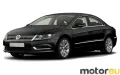
Volkswagen CC I 2.0 TSI (210 Hp)
2012-2015 Petrol (Gasoline) Automatical 7,60 sec
 Emissions
7,60 sec
BMW 5 Series Touring 520d (190 Hp)
2020-2023 Diesel Automatical 7,60 sec
 Emissions
7,60 sec
BMW 5 Series Touring 520d (190 Hp)
2020-2023 Diesel Automatical 7,60 sec
 Emissions
7,60 sec
Audi Q5 II 40 TDI (204 Hp)
2020-2023 Diesel Automatical 7,60 sec
 Emissions
7,60 sec
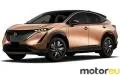
Nissan Ariya 90 kWh (242 Hp)
2020-2023 Electricity Automatical 7,60 sec
 Emissions
7,60 sec
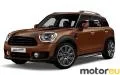
Mini Countryman Cooper SD 2.0 (190 Hp)
2020-2023 Diesel Automatical 7,60 sec
 Emissions
7,60 sec
Volkswagen Passat 2.0 TSI (200 Hp)
2008-2010 Petrol (Gasoline) Manual 7,60 sec
 Emissions
7,60 sec
Volvo XC90 II 2.0 B5 (235 Hp)
2019-2023 Diesel Automatical 7,60 sec
 Emissions
7,60 sec
Mercedes-Benz E-class E 200 (197 Hp)
2020-2023 Petrol (Gasoline) Automatical 7,60 sec
 Emissions
7,60 sec
Mercedes-Benz E-class Coupe E 200 (197 Hp)
2020-2023 Petrol (Gasoline) Automatical 7,60 sec
 Emissions
7,60 sec
BMW 4 Series Convertible 420d (190 Hp)
2020-2023 Diesel Automatical 7,60 sec
 Emissions
7,60 sec
Audi A3 Sportback 40 TFSI e (204 Hp)
2020-2023 Petrol / Electricity Automatical 7,60 sec
 Emissions
7,60 sec

Cars with the best acceleration or in other words “the fastest accelerating cars” are listed above. List is sorted by the time which sports car can make from 0 – 60 miles or 0 – 100 km in seconds. Do not forget, these cars are production cars, they are all stock and not modified street legal cars. In the list you can find 0-60 times of all cars. According to our list, the fastest accelerating car in the world record is held by Bugatti Chiron. It is followed by Porsche 918 Spyder, Nissan GT-R and Tesla Model S. Accelerating times are quite close even there are different technologies such as internal combustion engines, hybrid technologies and electric motors.

Acceleration of a car is directly related to aerodynamics of the vehicle. Engine power and the weight of the vehicle are other parameters that really matter. It is another topic to think about why electric cars have a better acceleration than normal cars. It is simply because of electric motor technology, since there is no transmitted power from gearbox the acceleration is non-stop. Thus, they can easily compete with powerful petrol engines with best acceleration time

«