Best Acceleration Best Acceleration

Model 0-100 acceleration
BMW 1 Series Coupe 123d (204 Hp)
2011-2013 Diesel Automatical 7,10 sec
 Emissions
7,10 sec
BMW 3 Series Coupe 325d (204 Hp)
2010-2013 Diesel Automatical 7,10 sec
 Emissions
7,10 sec
BMW 3 Series Coupe 325i (218 Hp)
2010-2013 Petrol (Gasoline) Automatical 7,10 sec
 Emissions
7,10 sec
Audi TT Coupe 2.0 TDI ultra (184 Hp)
2014-2018 Diesel Manual 7,10 sec
 Emissions
7,10 sec
BMW 1 Series Hatchback 3dr 120d (184 Hp)
2012-2015 Diesel Automatical 7,10 sec
 Emissions
7,10 sec
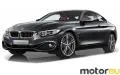
BMW 4 Series Coupe 420d (190 Hp)
2015-2016 Diesel Automatical 7,10 sec
 Emissions
7,10 sec
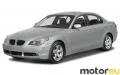
BMW 5 Series 530i (231 Hp)
2003-2005 Petrol (Gasoline) Automatical 7,10 sec
 Emissions
7,10 sec
BMW Z3 Coupe 2.8 (192 Hp)
1997-2000 Petrol (Gasoline) Automatical 7,10 sec
 Emissions
7,10 sec
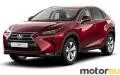
Lexus NX I 200t (238 Hp)
2015-2017 Petrol (Gasoline) Automatical 7,10 sec
 Emissions
7,10 sec
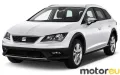
Seat Leon X-Perience 2.0 TDI (184 Hp)
2014-2019 Diesel Automatical 7,10 sec
 Emissions
7,10 sec
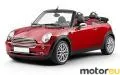
Mini Convertible JCW 1.6 (211 Hp)
2012-2015 Petrol (Gasoline) Automatical 7,10 sec
 Emissions
7,10 sec
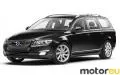
Volvo V60 I Cross Country 2.5 T5 (254 Hp)
2015-2018 Petrol (Gasoline) Automatical 7,10 sec
 Emissions
7,10 sec
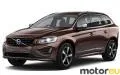
Volvo XC60 I 2.5 T5 (254 Hp)
2014-2017 Petrol (Gasoline) Automatical 7,10 sec
 Emissions
7,10 sec
Volvo XC70 II 2.4 T5 (254 Hp)
2015-2016 Petrol (Gasoline) Automatical 7,10 sec
 Emissions
7,10 sec
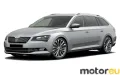
Skoda Superb III Combi 2.0 TSI (220 Hp)
2015-2018 Petrol (Gasoline) Automatical 7,10 sec
 Emissions
7,10 sec
Mercedes-Benz GLE SUV GLE 350d V6 (258 Hp)
2015-2018 Diesel Automatical 7,10 sec
 Emissions
7,10 sec
Audi Q7 3.0 ultra TDI V6 (218 Hp)
2015-2018 Diesel Automatical 7,10 sec
 Emissions
7,10 sec
Renault Megane IV GT 1.6 Energy TCe (205 Hp)
2016-2018 Petrol (Gasoline) Automatical 7,10 sec
 Emissions
7,10 sec
BMW 4 Series Convertible 425d (224 Hp)
2016-2016 Diesel Manual 7,10 sec
 Emissions
7,10 sec
Mini Convertible Cooper S 2.0 (192 Hp)
2016-2018 Petrol (Gasoline) Automatical 7,10 sec
 Emissions
7,10 sec
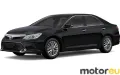
Toyota Camry VII 3.5 V6 (250 Hp)
2014-2017 Petrol (Gasoline) Automatical 7,10 sec
 Emissions
7,10 sec
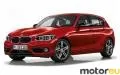
BMW 1 Series Hatchback 3dr 120d (190 Hp)
2015-2017 Diesel Manual 7,10 sec
 Emissions
7,10 sec
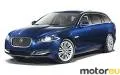
Jaguar XF Sportbrake 3.0d (240 Hp)
2012-2015 Diesel Automatical 7,10 sec
 Emissions
7,10 sec
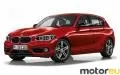
BMW 1 Series Hatchback 5dr 120d (190 Hp)
2015-2017 Diesel Manual 7,10 sec
 Emissions
7,10 sec

Cars with the best acceleration or in other words “the fastest accelerating cars” are listed above. List is sorted by the time which sports car can make from 0 – 60 miles or 0 – 100 km in seconds. Do not forget, these cars are production cars, they are all stock and not modified street legal cars. In the list you can find 0-60 times of all cars. According to our list, the fastest accelerating car in the world record is held by Bugatti Chiron. It is followed by Porsche 918 Spyder, Nissan GT-R and Tesla Model S. Accelerating times are quite close even there are different technologies such as internal combustion engines, hybrid technologies and electric motors.

Acceleration of a car is directly related to aerodynamics of the vehicle. Engine power and the weight of the vehicle are other parameters that really matter. It is another topic to think about why electric cars have a better acceleration than normal cars. It is simply because of electric motor technology, since there is no transmitted power from gearbox the acceleration is non-stop. Thus, they can easily compete with powerful petrol engines with best acceleration time

«