MARQUES
-
 Abarth
-
 Acura
Acura
-
 Alfa Romeo
-
 Aston Martin
-
 Audi
Audi
-
 Bentley
-
 BMW
BMW
-
 Bugatti
-
 Buick
Buick
-
 BYD
BYD
-
 Cadillac
-
 Chery
Chery
-
 Chevrolet
-
 Chrysler
-
 Citroen
-
 Cupra
Cupra
-
 Dacia
Dacia
-
 Daewoo
-
 DAF
DAF
-
 Daihatsu
-
 Datsun
-
 De Lorean
-
 DFSK
DFSK
-
 Dodge
Dodge
-
 DS
DS
-
 Ferrari
-
 Fiat
Fiat
-
 Fisker
-
 Ford
Ford
-
 GAZ
GAZ
-
 Geely
Geely
-
 Genesis
-
 GMC
GMC
-
 Great Wall
-
 Hennessey
-
 Honda
Honda
-
 Hummer
-
 Hyundai
-
 Infiniti
-
 Isuzu
Isuzu
-
 Iveco
Iveco
-
 Jaguar
-
 Jeep
Jeep
-
 Kia
Kia
-
 Koenigsegg
-
 Lada
Lada
-
 Lamborghini
-
 Lancia
-
 Land Rover
-
 Lexus
Lexus
-
 Lincoln
-
 Lotus
Lotus
-
Lucid
-
 Mahindra
-
 Maserati
-
 Mazda
Mazda
-
 McLaren
-
 Mercedes
-
 MG
MG
-
 Mini
Mini
-
 Mitsubishi
-
Morgan
-
 NIO
NIO
-
 Nissan
-
 Opel
Opel
-
 Pagani
-
 Peugeot
-
 Polestar
-
 Pontiac
-
 Porsche
-
 RAM
RAM
-
 Renault
-
 Rimac
Rimac
-
 Rivian
-
 Rolls-Royce
-
 Rover
Rover
-
 Saab
Saab
-
 Scion
Scion
-
 Seat
Seat
-
 Skoda
Skoda
-
 Smart
Smart
-
Sony
-
 SsangYong
-
 Subaru
-
 Suzuki
-
 Tata
Tata
-
 Tesla
Tesla
-
 Tofas
Tofas
-
 Toyota
-
 Vauxhall
-
 Volkswagen
-
 Volvo
Volvo
-
 XPENG
XPENG
-
 Zenvo
Zenvo

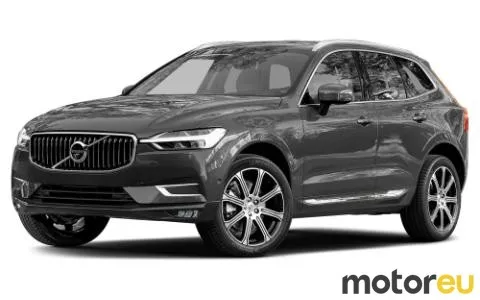
Fiche technique Volvo > XC60 II 2.0 B4 (197 Hp)
 Année 2019- 2020- 2021
 Moteur 1969 cm3
 Puissance 197 hp
 Couple 420 Nm
 Gearbox Automatical
 Type de carburant Diesel
 Fuel Tank 71 Liter
|
Mixte |
5,6 lt/100km |
|
Emissions de CO2 |
147,0 g/100km |
|
Consommation Réelle Estimée de Carburant |
8 lt/100km |
|
Coût pour remplir le réservoir de carburant |
134,62 € |
|
Prix du Carburant |
|
Volvo XC60 II 2.0 B4 (197 Hp)
Les caractéristiques techniques
- Nombre de cylindres 4
- Nombre de soupapes 4x4
- Puissance 197 hp
- Sortie max. (P) 4000 rpm
- Couple 420 Nm
- 1740
- Roue motrice Front wheel drive
- Nombre de portières 5
- Nombre de sièges 5
- Dimension du Pneu avant -
- Dimension du Pneu arrière -
Volvo XC60 II 2.0 B4 (197 Hp)
Dimensions et Poids
- Type de carrosserie SUV, Crossover
- Longueur 4688 mm
- Largeur 1902 mm
- Hauteur 1658 mm
- Empattement 2865 mm
- Cercle Tournant 11.8 m
- Volume du Coffre 505 liter
- Poids (a vide) 1950 kg
- Poids total de charge -
- Capacité de chargement -
- Charge de toit 100 kg
Volvo XC60 II 2.0 B4 Analyse
2021 Volvo XC60 II 2.0’s production started in 2019 and continued in 2019, 2020 and 2021. XC60 2.0 B4 is a 5 doors SUV, Crossover in All wheel drive (4x4). Automobile weight is 1950 kg with 505 liters trunk loading capacity. XC60 II 2.0 B4 has a 2.0 l engine. With 1969 cc engine size it produces 197 Hp horsepower and 420 Nm torque. The power is transmitted by a speed gearbox with Avant wheel drive. Vehicle can accelerate from zero to 100 km/h (60 mph) in 8.3 seconds. Top speed is limited by 205 km/h (127 mph). The engine has a standard. Fuel tank capacity is 71 liters. Consumption in city is 0,0 lt/100km, consumption in highway is 0,0 lt/100km and combined fuel consumption is 5,6 lt/100km according to official factory data. Estimated XC60 II 2.0 B4 real World MPG/consumption is 8,5 lt/100km. It is expected to consume 52 percent more fuel than factory data in real conditions and during test drives.
Commentaires
Soyez le premier à commenter...