MARCAS
-
 Abarth
-
 Acura
Acura
-
 Alfa Romeo
-
 Aston Martin
-
 Audi
Audi
-
 Bentley
-
 BMW
BMW
-
 Bugatti
-
 Buick
Buick
-
 BYD
BYD
-
 Cadillac
-
 Chery
Chery
-
 Chevrolet
-
 Chrysler
-
 Citroen
-
 Cupra
Cupra
-
 Dacia
Dacia
-
 Daewoo
-
 DAF
DAF
-
 Daihatsu
-
 Datsun
-
 De Lorean
-
 DFSK
DFSK
-
 Dodge
Dodge
-
 DS
DS
-
 Ferrari
-
 Fiat
Fiat
-
 Fisker
-
 Ford
Ford
- › B-MAX
- › Bronco
- › Bronco Sport
- › C-MAX
- › Contour
- › Cougar
- › Crown Victoria
- › Econoline
- › EcoSport
- › Edge
- › Equator
- › Escape
- › Escort
- › Everest
- › Excursion
- › Expedition
- › Explorer
- › F-250 Super Duty
- › F-350 Super Duty
- › F-450 Super Duty
- › F-Series F-100/F-150
- › Falcon
- › Fiesta
- › Figo
- › Five Hundred
- › Flex
- › Focus
- › Freestar
- › Freestyle
- › Fusion
- › Galaxy
- › GT
- › Ixion
- › KA
- › Kuga
- › Maverick
- › Mondeo
- › Mustang
- › Mustang Mach-E
- › Puma
- › Ranger
- › S-MAX
- › Shelby
- › Sport Trac
- › Streetka
- › Taurus
- › Taurus X
- › Territory
- › Thunderbird
- › Tourneo Connect
- › Tourneo Courier
- › Tourneo Custom
- › Windstar
-
 GAZ
GAZ
-
 Geely
Geely
-
 Genesis
-
 GMC
GMC
-
 Great Wall
-
 Hennessey
-
 Honda
Honda
-
 Hummer
-
 Hyundai
-
 Infiniti
-
 Isuzu
Isuzu
-
 Iveco
Iveco
-
 Jaguar
-
 Jeep
Jeep
-
 Kia
Kia
-
 Koenigsegg
-
 Lada
Lada
-
 Lamborghini
-
 Lancia
-
 Land Rover
-
 Lexus
Lexus
-
 Lincoln
-
 Lotus
Lotus
-
Lucid
-
 Mahindra
-
 Maserati
-
 Mazda
Mazda
-
 McLaren
-
 Mercedes
-
 MG
MG
-
 Mini
Mini
-
 Mitsubishi
-
Morgan
-
 NIO
NIO
-
 Nissan
-
 Opel
Opel
-
 Pagani
-
 Peugeot
-
 Polestar
-
 Pontiac
-
 Porsche
-
 RAM
RAM
-
 Renault
-
 Rimac
Rimac
-
 Rivian
-
 Rolls-Royce
-
 Rover
Rover
-
 Saab
Saab
-
 Scion
Scion
-
 Seat
Seat
-
 Skoda
Skoda
-
 Smart
Smart
-
Sony
-
 SsangYong
-
 Subaru
-
 Suzuki
-
 Tata
Tata
-
 Tesla
Tesla
-
 Tofas
Tofas
-
 Toyota
-
 Vauxhall
-
 Volkswagen
-
 Volvo
Volvo
-
 XPENG
XPENG
-
 Zenvo
Zenvo

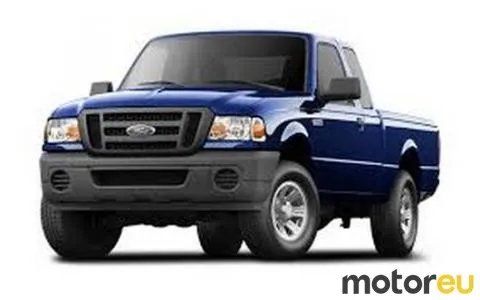
Ford > Ranger II Double Cab 2.5 TDCi (143 Hp) Ficha Tecnica & Consumo
 Año 2006- 2007- 2008- 2009- 2010
 Cilindrada 2499 cm3
 Potencia 143 hp
 Torque 330 Nm
 Gearbox Manual
 Tipo de Combustible Diesel
 Fuel Tank 70 Litros
Ford Ranger II Double Cab 2.5 TDCi (143 Hp)
Especificaciones Técnicas
- Cantidad de cilindros 4
- Cantidad de válvulas 4x4
- Potencia 143 hp
- Salida Máxima (P) 3500 rpm
- Torque 330 Nm
- 1800
- Tracción All wheel drive (4x4)
- Cantidad de puertas 4
- Cantidad de asientos 5
- Tamaño del neumático delantero 235/75 R15; 245/70 R16
- Tamaño del neumático trasero 235/75 R15; 245/70 R16
Ford Ranger II Double Cab 2.5 TDCi (143 Hp)
Peso y Dimensiones
- Tipo de carrocería Pick-up
- Longitud 5075 mm
- Ancho 1805 mm
- Altura 1745 mm
- Distancia entre ejes 3000 mm
- Radio de giro -
- Volumen del Maletero 1500 liter
- Peso (vacío) -
- Peso en capacidad total -
- Capacidad de carga -
- Capacidad del techo -
Ford Ranger II Double Cab 2.5 TDCi una reseña
2010 Ford Ranger II Double Cab 2.5 is first presented in 2006 and proceeded in 2006, 2007, 2008, 2009 and 2010. Ranger 2.5 TDCi is a 4 doors Pick-up in Rear wheel drive. Weight of the vehicle is 0 kg with 1500 liters trunk loading capacity. Ranger II Double Cab 2.5 TDCi is powered by a 2.5 l engine. This 2499 cc engine size produces 143 Hp horsepower with 330 Nm torque. Transmission is provided by a speed gearbox with Trasera wheel drive. The acceleration time from zero to 100 km/h (60 mph) is seconds. Top speed of the vehicle is km/h (0 mph) The vehicle’s emission standard is . Fuel tank capacity is 70 liters. Fuel economy in city is N/A lt/100km, Fuel economy in highway is N/A lt/100km and combined fuel economy is N/A lt/100km according to officially published data by manufacturers. Ranger II Double Cab 2.5 TDCi real World MPG/consumption is N/A lt/100km. It is expected to consume N/A percent more fuel than factory data in real conditions and during test drives.
Comentarios
Sé el primero en comentar...